What's Causing September 2026 Stock Market Volatility?
Meta Description: What is causing September 2026 stock market volatility? Examine Fed policy, inflation, oil prices, Treasury yields, jobs, and investor sentiment.
- September volatility has been driven by inflation, oil prices,s and changing Federal Reserve expectations.
- The 10-year Treasury yield has approached 5%.
- Oil prices above $100 have increased inflation concerns.
- The September FOMC meeting can produce another major volatility event.
- Investors should distinguish short-term market noise from changes in corporate fundamentals.
What is causing September 2026 stock market volatility?
Higher oil prices, inflation uncertainty, Treasury yields, Federal Reserve expectations, ns and geopolitical risk are driving daily market swings.
September began with pressure across US equities as investors reacted to higher oil prices and rising bond yields.
The market then rebounded on September 11 after oil prices declined and inflation data came close to expectations.
How is the Federal Reserve affecting volatility?
Changing expectations for the September Fed decision have caused rapid shifts in equity and bond prices.
Markets had previously expected easier policy. By September, persistent inflation and higher energy prices pushed rate-hike expectations higher.
That change matters because equity valuation models use interest rates as part of the discounting process.
Why does inflation data move stocks so quickly?
Inflation data changes expectations for interest rates, which then affects bond yields, equity valuations, and borrowing costs.
August CPI rose 0.4% month over month and 3.4% year over year. Core CPI increased 0.3% monthly and 2.4% annually.
Why are oil prices affecting US stocks?
Higher oil prices can raise inflation, reduce household purchasing power,r and increase costs for energy-intensive businesses.
Oil prices have been pushed higher by geopolitical tensions and supply concerns. Energy producers can benefit from higher prices, while transportation and consumer companies may face higher costs.
Why are Treasury yields near the center of the volatility?
Higher Treasury yields increase borrowing costs and reduce the relative appeal of high-priced equities.
The 10-year Treasury yield recently approached 5%. A sustained move above that level could put more pressure on rate-sensitive stocks.
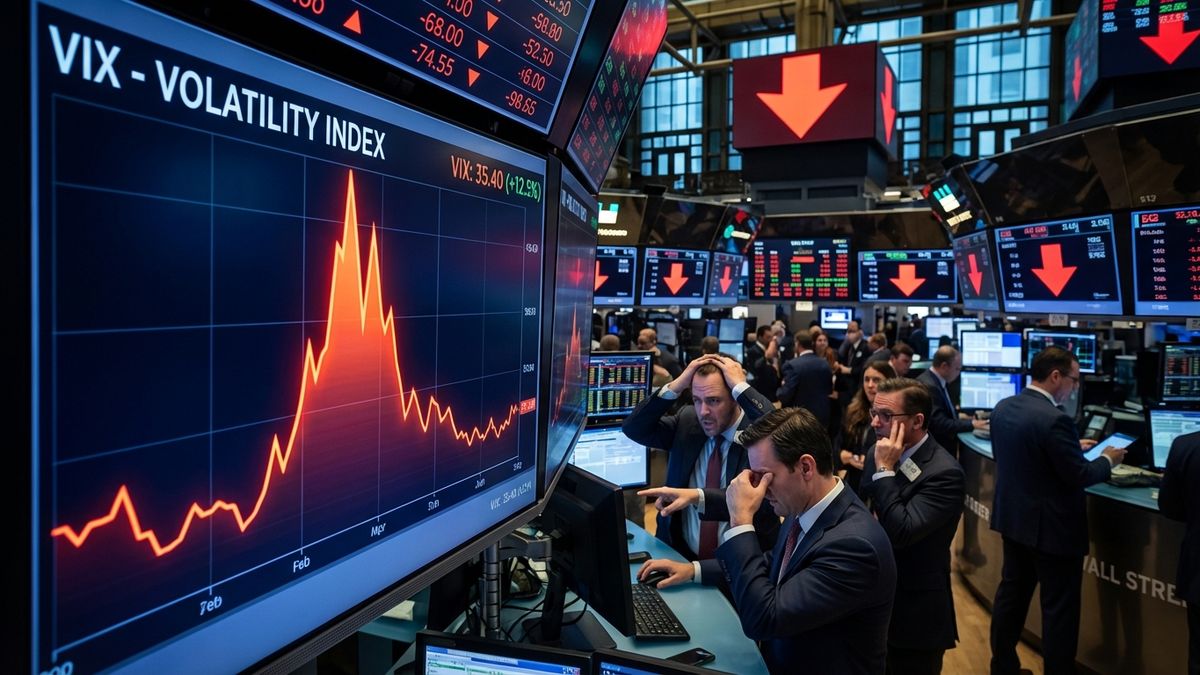
What does the VIX tell investors?
The VIX measures expected S&P 500 volatility based on options prices and is often used as a market-risk indicator.
A rising VIX does not automatically predict a market crash. It means options markets are pricing greater expected volatility.
Can jobs data trigger another volatility spike?
Yes. Strong employment data can reduce expectations for monetary easing, while weak data can raise recession concerns.
The labor market therefore has two opposing effects. Strong jobs can support earnings and consumer demand but also keep monetary policy restrictive. Weak jobs can reduce inflation pressure but raise recession risk.
Does September seasonality explain the volatility?
Seasonal weakness can affect positioning, but current economic and geopolitical conditions are more important than calendar patterns alone.
Institutional investors may rebalance portfolios after the summer period. Options positioning and reduced liquidity can amplify short-term moves.
| Catalyst | Possible Market Effect |
|---|---|
| Higher CPI | Higher rate expectations |
| Oil above $100 | Higher inflation risk |
| 10-year yield near 5% | Pressure on valuations |
| Weak jobs | Recession concerns |
| Strong jobs | Higher-for-longer rate concerns |
How should investors manage September volatility?
Investors should size positions around their risk tolerance instead of making large decisions based on one volatile trading session.
Review portfolio concentration, cash needs, bond duration,,n and exposure to highly valued growth stocks.
Frequently Asked Questions
Why is the stock market volatile in September 2026?
Inflation, oil prices, Treasury yields, Fed expectations, and geopolitical tensions are interacting at the same time.
What is the VIX?
The VIX is an options-based measure of expected S&P 500 volatility over the coming month.
Can higher oil prices cause a stock correction?
They can increase inflation and reduce consumer purchasing power, creating pressure on both earnings and interest-rate expectations.
Why does a 5% Treasury yield matter?
Higher yields increase the return available from bonds and raise the discount rate used in equity valuation.
Can strong jobs data hurt stocks?
Yes. Strong employment can support the economy but also reduce expectations for rate cuts.
Conclusion
September volatility in 2026 is being driven by several measurable forces rather than a single market signal.
Investors should monitor inflation, oil, Treasury yields, labor data, and Federal Reserve communication together.
For AurixFinance News readers, the main issue is whether these pressures fade or become persistent enough to reduce earnings expectations and equity valuations.


